Creativity is Useless
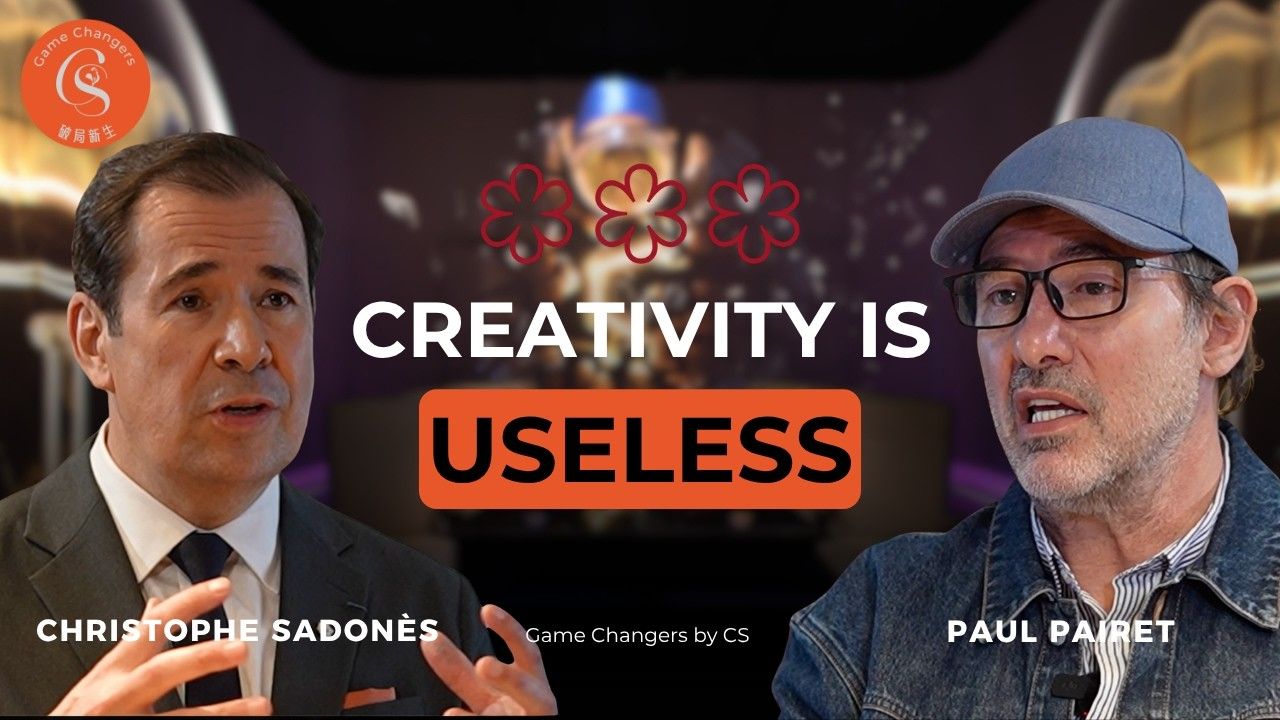
May 17, 2026Paul mentioned a squid noodle that had taken 250 tests.
Not a sauce. Not a full menu. A squid noodle that puffed slightly.
After all that work, after all those trials, he went back to the first version.
I liked that detail because it says a lot about how he works. Most people would call it wasted time. In a kitchen like Paul Pairet’s, it is part of the decision. The first version was only instinct at the beginning. After 249 rejected versions, it became something else. It became chosen.
That is different.
A lot of people like to talk about creativity in restaurants. The idea, the instinct, the rule being broken. It makes a good story. But a restaurant cannot operate only on instinct. A dish has to survive service. It has to survive the team, the pressure, the repetition, the guest who comes back months later and expects the same feeling.
Paul said it very simply: there is no good idea until the execution is right.
I think that is where the real work sits. Not in having the idea, but in making it hold. Can the team reproduce it? Can the seasoning stay at the same level? Can it arrive at the table with the right temperature, the right rhythm, the right confidence? Can it still feel alive once it has become a system?
That is difficult.
Some restaurants protect the idea but lose the execution. Others become so good at execution that the original feeling disappears. The hard part is keeping both together.
Paul seems very clear about this. Composition is one thing. Production is another. He can spend months developing something that looks simple, then hand it to the team only when the process is precise enough for them to repeat it. Once that happens, the dish leaves the private world of the chef. It enters the discipline of the restaurant.
At that point, it is no longer about inspiration. It is mise-en-place, timing, training, correction, repetition.
Less romantic, maybe. More real.
The same is true in any serious environment. A hotel lobby, a retail floor, a private club, a service ritual — all of them begin with an idea of how people should feel. But feeling is not delivered by intention. It is delivered by small decisions made reliable.
The guest never sees the 250 tests.
They see the plate.
Stay inside the World of CS
Get the OPOD Weekly Briefing, access to full-length Game Changer interviews, new Notebook releases, Academy masterclass updates and selected exclusive content.
For people building better standards, stronger teams and more memorable guest experiences.